
Closing a neobank account takes five minutes in the app and costs nothing. The real work is elsewhere: emptying every balance, moving direct debits by hand, retrieving your statements and remembering that the Belgian tax office is still involved. Here is the procedure, brand by brand.
How do you close a neobank account in Belgium?
By emptying the account, then requesting closure in the app. At Revolut, N26, bunq and Wise, there is no registered letter, no paper form and no fee. The request is refused as long as a single cent is left somewhere.
The sequence is the same everywhere, in this order:
- List what comes in and goes out: salary, direct debits, standing orders, subscriptions paid by card.
- Open or reactivate the account that will take over, and note its IBAN.
- Notify each creditor and each payer with the new account number, one by one.
- Let a full cycle pass — one month — to check that nothing lands on the old account any more.
- Download your statements and yearly summaries as PDFs.
- Empty every balance: main account, sub-accounts, vaults, currency pockets, stocks, crypto.
- Request closure in the app, then keep the written confirmation.
What you need: your phone, access to the app, the IBAN of the receiving account. Real duration: two to four weeks end to end, of which five minutes of actual clicking. Cost: nothing, unless a paid plan is still running.
I have closed three neobank accounts in six years. The only one that caused trouble was the one where I skipped step 4: an annual membership fee hit twelve days after the closure request, on an account that was already empty. Payment rejected, reminder letter, and an hour on the phone to sort it out.
What should you do before closing the account?
Three things, in this order: identify the flows, open the receiving account, notify the creditors. This phase is what takes time, not the closure itself.
To list the flows, the simplest route is to sort twelve months of history by payee in the app. What always surfaces is the forgotten stuff: the insurance policy that debits once a year, a club membership, an app subscription paid by card rather than by direct debit. That last case is the nastiest, because it does not appear in the direct debit list: you have to look for it among card payments.
One detail that matters in Belgium: a subscription paid by card does not follow the account. If you switch neobanks, you have to give the merchant the new card number, otherwise the payment will fail at the first due date after closure.
Watch the small print: at bunq, closing the account does not automatically cancel your plan. Cancel the plan first, otherwise you risk a final month billed to an account you are specifically trying to empty.
How do you close a Revolut account?
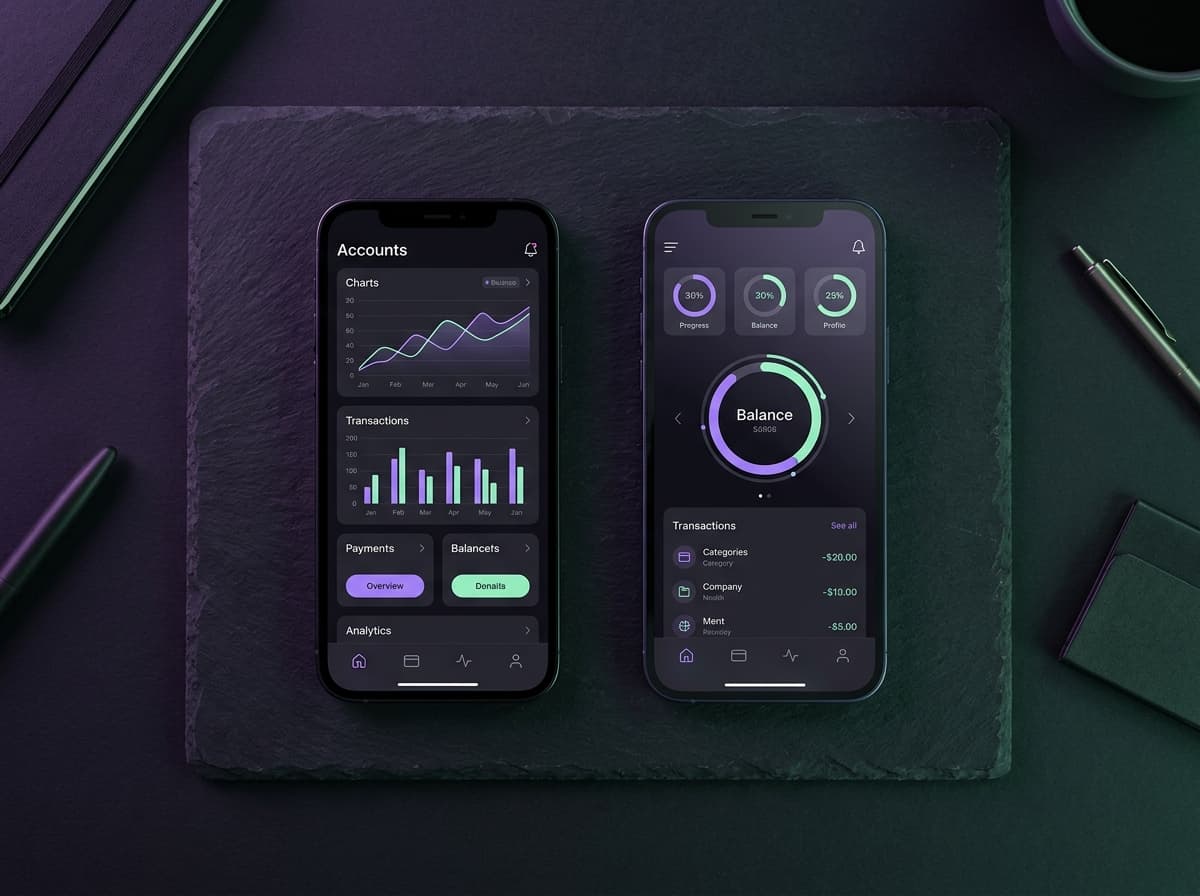
From the app, in three taps, once every balance is at zero. Revolut asks you to empty each pocket: main account, vaults, currency accounts, stock and crypto holdings, savings account.
The path: profile tab, then account settings, then the closure section. The app asks a few questions about why you are leaving, then confirms. The Revolut help centre sets out the procedure and the special cases, in particular joint accounts, which are closed separately from the individual account.
Two specific points. First, if you hold a savings account, accrued interest is paid out in the following cycle: ask for closure after that payment, not before, or you leave a few euros behind. Second, a paid plan (Premium, Metal) is not refunded pro rata for the month started. Wait until the end of the billed period if the subscription is an expensive one.
Once the account is closed, access to the app disappears within days. I lost two years of statements that way on my first account, back in 2021, and had to request them from customer service: I got them, but after three weeks of back and forth.
How do you close an N26 account?
Through the "Empty and close account" option in the app settings. N26 offers to transfer the remaining balance to another account during the request itself, which avoids the round trip the others impose.
The N26 help page also describes the alternative route: an email to customer service from the address linked to the account, with a signed termination form and a requested closing date. That route is mainly useful when the app no longer opens, for example after a badly handled phone change.
Concretely, for everyday use: if your N26 account held Spaces (the built-in sub-accounts), empty them first. The closure option stays greyed out as long as a Space contains money, and the error message does not say which one. You are searching blind.
How do you close a bunq or Wise account?
At bunq, through customer service in the app, after cancelling your plan. At Wise, through account settings, once every currency, Jar and stock or interest position is back to zero.
These two share a difficulty Revolut and N26 do not have: balances are scattered. A bunq account can hold up to 25 sub-accounts, each with its own Dutch IBAN. A Wise account can hold some forty currencies in parallel, plus Jars. The balance shown on the home screen tells you nothing about what is sitting elsewhere.
My method, after getting caught out: convert everything into a single currency, the euro, then move the whole lot in one go. On my Wise account there was 0.14 Canadian dollar left from a trip in 2023, enough to block the closure while I hunted for the cause.
Does the Belgian bank switching service work with a neobank?
No. BankSwitching, the free service organised by Febelfin, only connects banks established in Belgium that take part in the scheme. Revolut, N26, bunq and Wise are not among them. Nothing is moved automatically: you notify each creditor yourself.
This is by far the most misunderstood difference. Between two Belgian banks, the new bank transfers standing orders, informs the creditors behind your active direct debits (those collected within the past thirteen months) and notifies those who pay money into your account. All of it within ten working days, free of charge. The bank switching rules published by Febelfin set the framework, and Wikifin, the FSMA's website, summarises how it works.
As soon as a foreign neobank enters the picture, whether you are leaving it or joining it, that safety net disappears. Here is what changes in practice.
| Neobank | Where you request it | Zero balance required | Belgian bank switching | Delay once emptied |
|---|---|---|---|---|
| Revolut | App, profile section | Yes, including vaults, stocks, crypto | No | 1 to 3 working days |
| N26 | App, "Empty and close" | Transfer offered during the request | No | 1 to 3 working days |
| bunq | Customer service in the app | Yes, all sub-accounts | No | A few working days |
| Wise | Account settings | Yes, currencies, Jars, stocks | No | A few working days |
Current picture as of summer 2026. Procedures change: check the terms in force when you make the request.

How long does closure take, and what does it cost?
Nothing, and 1 to 3 working days once the account is empty. None of the four neobanks charges for closure, and the rule applies across the European Economic Area for an account held for more than six months.
The delay the app announces is not the real delay. What takes time is the safety phase beforehand: letting the last direct debit clear, waiting for a merchant refund to arrive, checking that no card payment is still pending settlement. Two to four weeks, in practice, if you want to avoid a rejection.
The only possible cost is the subscription. A Metal plan at Revolut, a paid plan at bunq: the month started is still due. On a plan at €15 a month, closing on the 2nd rather than on the 28th of the previous month costs €15 for nothing.
What is left to declare after closure?
Three obligations, and they outlive the account. An account held abroad for even a month in a given year remains declarable for that year.
First, the personal income tax return: box XIII.A, where you tick that you held an account abroad and state the country. Second, registration with the Central Point of Contact at the National Bank of Belgium, which must cover the period you held the account. Third, if the account produced interest with no tax withheld at source, which is the case at N26, bunq and Trade Republic, that interest goes in box VII, at 30%.
A concrete case: a friend closed his German account in March, forgot about it in June when filing, and received a request for information the following year. The account had been empty for months, but it had existed. Sorting it out cost him an evening and a letter. Our article on withholding tax and neobanks sets out which codes to use for each brand.
What mistakes should you avoid when closing a neobank account?
Five of them, which I see again and again. None is serious on its own, but each one costs time.
✓ Pros
- Download every statement as a PDF before the request, including the current year
- Let a full direct debit cycle pass before closing
- Cancel the paid plan before asking for closure
- Convert every currency and empty vaults and sub-accounts in one go
- Keep the written closure confirmation with your tax documents
✗ Cons
- Closing your Belgian account and keeping only the neobank: no more Bancontact
- Forgetting subscriptions paid by card, invisible in the direct debit list
- Assuming the bank switching service will move your standing orders
- Ignoring box XIII.A because the account is closed and empty
- Leaving cents in a vault or an exotic currency, which blocks the request
The first one deserves a word. Plenty of people close their traditional Belgian account after growing fond of their neobank, then find themselves stuck at a parking terminal: no neobank supports Bancontact, which accounts for around 85% of in-store card payments in Belgium. If you are closing an account, close the one that duplicates another, not the one acting as your safety net.
Another useful reflex: deposit protection of €100,000 ends with the account, obviously, but it applies while the money is in transit. Do not leave a large balance hanging on an account you are in the middle of closing.
In short
Closing a neobank account is free and quick at Revolut, N26, bunq and Wise, provided you arrive with every balance at zero, vaults, currencies and stocks included. The real work happens beforehand: the Belgian bank switching service does not cover these foreign institutions, so every direct debit and every incoming transfer has to be moved by hand. Allow two to four weeks, download your statements before you lose access, and remember that the account remains declarable for the year in which it existed. Before moving to another neobank, put the offers side by side in our comparator, or take the quiz if you are still unsure which profile fits you.
Sources: Febelfin (rules governing the interbank mobility service, 2024 edition), Wikifin — FSMA (changing banks, procedure and timing), Revolut Belgium help centre and N26 support (closure procedures), FPS Finance (boxes VII and XIII.A of the tax return, accounts held abroad), National Bank of Belgium (Central Point of Contact, deposit protection), general terms and conditions of Revolut, N26, bunq and Wise consulted in August 2026.
Comparatifs comparator
Compare all comparatifs side by side.
Compare now →
Frequently asked questions
Maxime suit le secteur des néobanques et de la fintech belge depuis près de dix ans. Ancien conseiller en agence devenu analyste indépendant, il ouvre et teste lui-même les comptes qu’il compare, décortique les grilles tarifaires ligne par ligne et traque les frais cachés derrière les offres « gratuites ». Son objectif : aider les Belges à payer moins et choisir une banque qui colle vraiment à leur usage, sans jargon ni argument commercial.