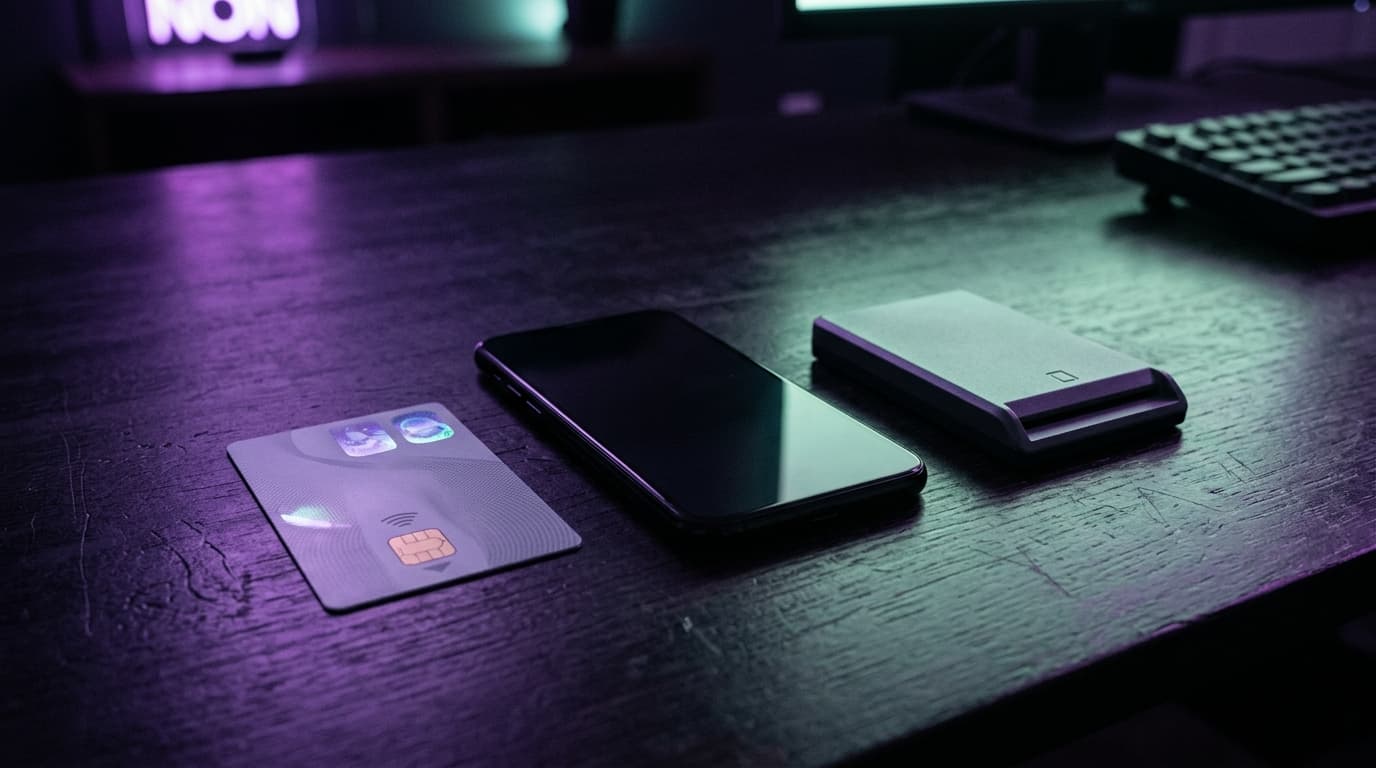
A valid identity document and a mobile number are enough to open a neobank account from Belgium, with no branch visit and no proof of address. At Revolut, itsme replaces the selfie. Everything else comes down to the quality of the verification, and that is where files stall.
What documents do you need to open a neobank account?
A valid identity document, a mobile phone number, a declared residential address. Nothing else on the sign-up screen.
The precise list varies from one provider to the next, and rejections almost always come from there.
- The Belgian eID, the electronic identity card every resident carries, works everywhere and is the safest document to present.
- A passport is accepted by every provider on the market, including for non-Belgians living here.
- A residence permit appears explicitly in the list of documents accepted by N26, alongside national ID cards and passports.
- A driving licence is accepted only at some providers, bunq specifying that the European plastic card format works and that paper licences are rejected.
- Photocopies, scans and screenshots are refused everywhere. The document goes in front of the camera, as an original.
- No utility bill and no lease is requested at this stage.
My pink Belgian paper licence, the cardboard one many people still keep in their wallet, was refused outright during a sign-up in May. I took out the ID card instead. Accepted straight away.
Can you open an account without proof of address?
Yes, at sign-up. The address you enter is self-declared, and nobody asks you to prove it before the account is activated.
The nuance comes later. Belgian due diligence rules require providers to know their customers and keep files current, which can trigger a request for proof months after opening, usually when an unusual transfer goes through. The address also matters for another reason: at Revolut it decides whether your account joins the queue towards the Belgian branch, and therefore towards a Belgian IBAN.
Declaring a rough address to move faster costs you twice, and always at the worst moment.
How does itsme verification work at Revolut?
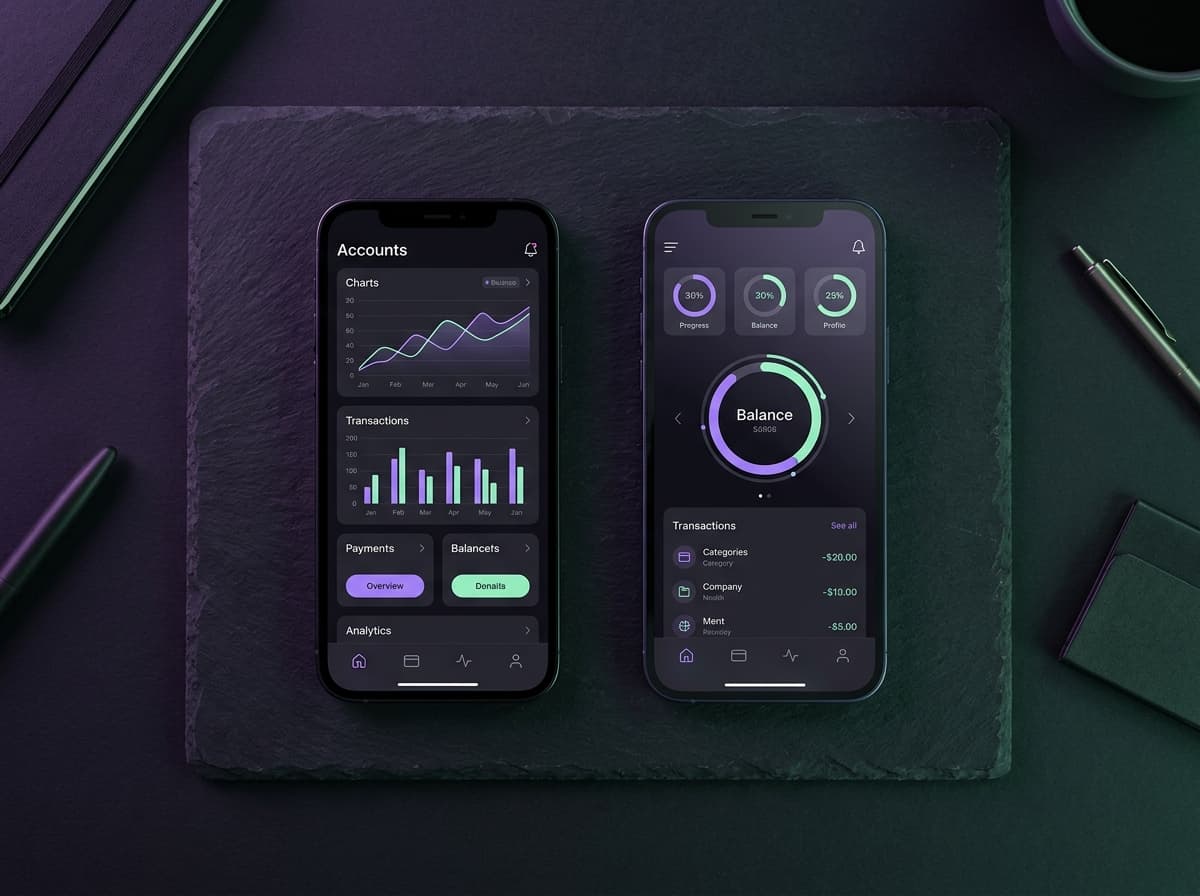
The option appears during sign-up, redirects to the itsme app, and you confirm the requested data with a code or a fingerprint. A few seconds, no photo to frame.
The Revolut Belgium help page, checked on 15 September 2026, makes two points nobody else mentions. First, the check applies to onboarding only, and afterwards you log in like any other customer. More usefully, a blocked itsme account is not unblocked by the bank, which has no access to it, but by itsme, and the standard sign-up route stays open as a fallback.
Then comes the entry condition, and it is Belgian from end to end: you need an itsme account already, created with a valid Belgian eID and a card reader, or through a partner bank.
I had to dig the grey card reader out of a drawer to create mine, the partner bank route having failed twice on an error message with no explanation. Twenty minutes. For an app meant to save me some.
How long does opening an account really take?
Minutes when the automated check clears first time. Several working days when it does not.
The second outcome is not an incident: it is the normal path as soon as a document falls outside the expected frame, a compound name fails to match exactly, or a due diligence check fires at onboarding. The video call with an agent, offered by N26 as an alternative to the photo, has to be booked into a slot and mechanically stretches the timeline.
The physical card follows its own calendar, the postal one: count on one to two weeks, while the virtual card is usable immediately.
Verification failed: what to do in each case
The causes repeat themselves, and each has its fix.
| Case | Usual cause | What to do |
|---|---|---|
| Document photo rejected | Glare, blur, corner hidden by a finger | Lay the document flat, natural light, no sleeve |
| Document not accepted | Paper licence, copy, scan, expired document | Present the ID card or passport as an original |
| Selfie rejected | Face partly covered, backlight | Retry facing a window, no glasses, no cap |
| Repeated failures | Automated system unable to decide | Ask to switch to a video call with an agent |
| itsme account blocked | Issue at itsme, not at the bank | Contact itsme, or take the standard sign-up route |
| Name mismatch | Preferred first name, shortened compound name | Enter your civil status details, letter for letter |
Table built from the public help pages of Revolut, N26 and bunq consulted on 15 September 2026, and from files followed this year.
Three selfies refused in a row at N26 for a friend, one winter evening, under a yellow bulb. The fourth went through the next morning by the living room window. Nothing else had changed.
Revolut offers the Belgian basic banking service, free of charge
Here is the piece of information missing everywhere else. Revolut's Belgian branch applies the basic banking service required by Belgian law, and its dedicated page, checked on 15 September 2026, sets out the conditions.
The Belgian principle is an old one: anyone legally resident in the European Union has a right to a minimum payment account at a price capped by law. The Federal Public Service Economy sets that cap at €20.34 per year for 2026, and Wikifin, the financial literacy portal run by the FSMA regulator, restates the two financial conditions: holding no payment account in Belgium already, and staying under the indexed threshold of €10,239.43 in assets and credit as at 1 January 2026.
| Item | Belgian legal cap | At Revolut Belgium |
|---|---|---|
| Annual price of the service | €20.34 maximum in 2026 | Free for the legal minimum |
| Assets and credit threshold | €10,239.43 (indexed 01.01.2026) | Same threshold, applied as is |
| Answer to the application | Set by law | 10 working days after receipt |
| Cash deposits | Part of the minimum service | Not offered in Belgium |
| Recourse if refused | Complaint, then mediation | Internal procedure, then Ombudsfin |
Two caveats, because this is not a free account in disguise. It rules out any overdraft or credit facility, and it is terminated if you open another payment account in Belgium or if no transaction takes place for twenty-four months. The application goes through an official form, not the usual sign-up flow.
Do you have to report the account to the Central Point of Contact?
That depends on your IBAN prefix, not on the name of the app.
An account under a foreign IBAN, which covers N26 in DE, bunq in NL and Revolut accounts not yet migrated, remains a foreign account. It is reported once to the Central Point of Contact at the National Bank of Belgium, and the matching box is ticked every year in the personal income tax return. An account held by the Belgian branch, under a BE IBAN, falls outside that obligation, since the provider reports the data itself.
The provider's status cannot be guessed from its logo: the difference between a licensed bank and an electronic money institution decides whether your deposits are protected, and it is worth checking before you open an account rather than after.

Should you keep a Belgian bank account as well?
Yes, in most situations, and the reason has less to do with daily life than with the heavier files.
Mortgage lending, the rental guarantee held on a blocked account, some administrative counters: those three still require a provider established here, and no neobank active in Belgium covers them today. The detailed frictions of a foreign IBAN in Belgium are worth reading before you close anything.
Keep in mind, too, that an account can be frozen for review overnight. A second account elsewhere is not a luxury.
In short
Opening an account takes one valid identity document and ten attentive minutes, provided you present the right document, as an original, under decent light. At Revolut, itsme shortens the path further for anyone who already holds a Belgian eID. The rest is ordinary care: declare the correct address, enter your civil status details exactly, and report the account to the Central Point of Contact for as long as it carries a foreign IBAN. Our comparison tool puts the IBANs, fees and onboarding requirements of neobanks active in Belgium side by side.
This article provides practical information and constitutes neither legal advice nor investment advice.
Sources: Revolut Belgium help page on opening an account with itsme and its basic banking service page, both checked on 15 September 2026; N26 help centre (identity verification, accepted documents, video call) and bunq help centre (accepted documents, selfie) consulted on 15 September 2026; Federal Public Service Economy (basic banking service, 2026 price); Wikifin/FSMA (access conditions and threshold indexed at 1 January 2026); National Bank of Belgium (Central Point of Contact); Belgian law of 18 September 2017 on the prevention of money laundering.
Comparatifs comparator
Compare all comparatifs side by side.
Compare now →
Frequently asked questions
Maxime suit le secteur des néobanques et de la fintech belge depuis près de dix ans. Ancien conseiller en agence devenu analyste indépendant, il ouvre et teste lui-même les comptes qu’il compare, décortique les grilles tarifaires ligne par ligne et traque les frais cachés derrière les offres « gratuites ». Son objectif : aider les Belges à payer moins et choisir une banque qui colle vraiment à leur usage, sans jargon ni argument commercial.